




ARA-290 is a synthetic peptide that has attracted attention in scientific research because of its unique biological properties and potential role in supporting cellular health. Derived from erythropoietin, ARA-290 is designed to interact with specific receptors without affecting red blood cell production. As a result, researchers continue to investigate its potential applications in various areas of peptide science.
Research Potential and Characteristics
ARA-290 is widely studied for its selective mechanism of action and its ability to influence cellular processes. Therefore, it has become a valuable compound in modern peptide research. In addition, its specialized structure makes it an interesting subject for investigations involving tissue health and neurological function.
Furthermore, researchers appreciate ARA-290 because of its targeted activity and favorable peptide profile. Consequently, it remains an important compound for advanced laboratory studies and ongoing scientific exploration.
Purity and Quality Standards
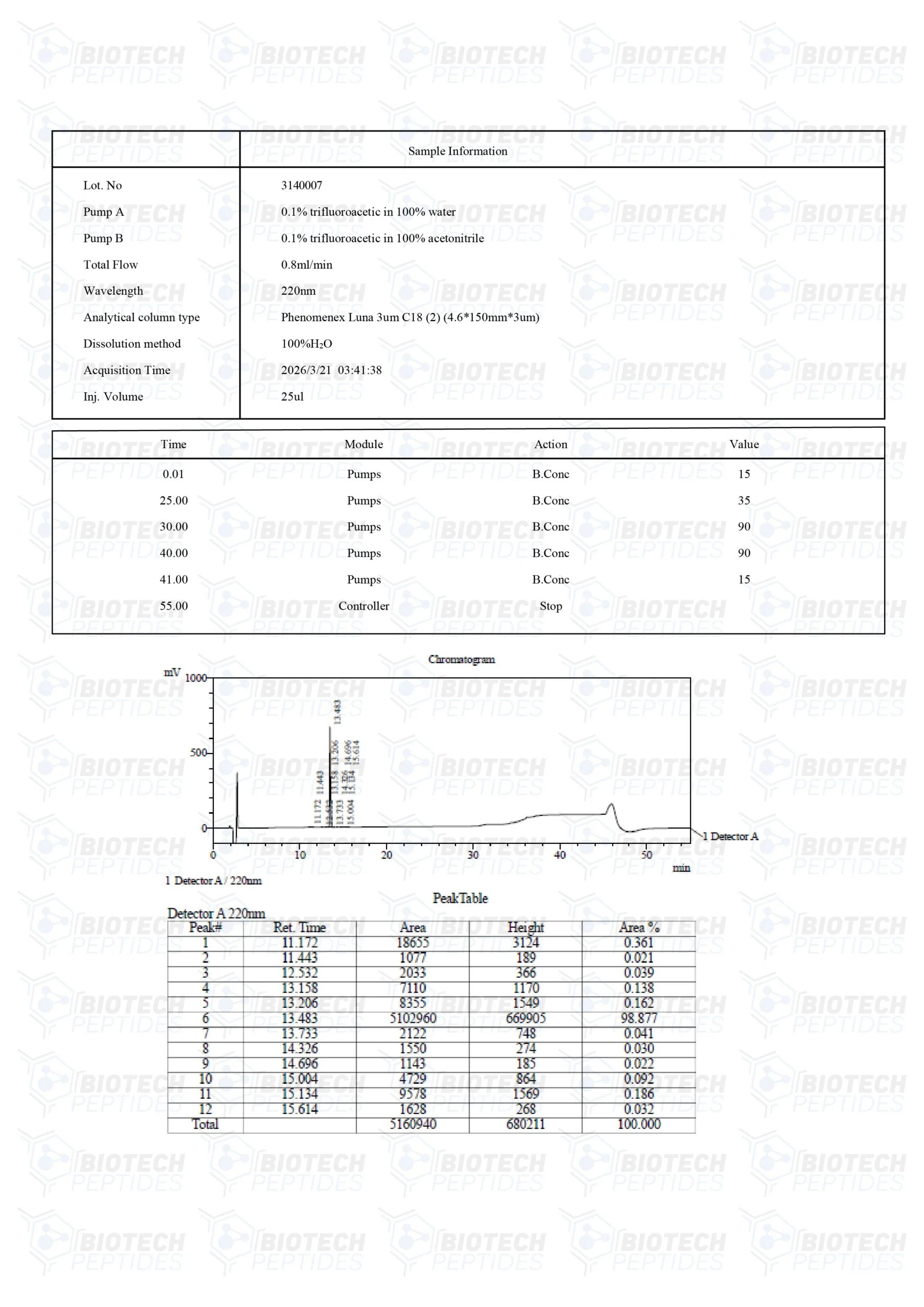
Each vial of ARA-290 is manufactured under strict quality controls to ensure purity, stability, and consistency. Therefore, researchers can rely on dependable quality for their studies. Moreover, the peptide is prepared to allow accurate reconstitution and convenient handling.
Because research objectives may vary, protocols should always be tailored to individual study requirements. Nevertheless, it offers flexibility for numerous laboratory applications. In addition, proper storage practices are essential for preserving peptide integrity and maintaining long-term stability.
Why Choose ARA-290?
It has earned recognition among researchers because of its unique properties and growing importance in peptide science. Unlike conventional compounds, it is specifically designed to target selected pathways while maintaining a specialized profile. As a result, it continues to gain interest within scientific communities.
Store it according to recommended conditions after reconstitution to maintain potency and quality. Above all, responsible handling and adherence to laboratory standards can help ensure reliable performance and support consistent research outcomes over time.




Reviews
There are no reviews yet.